
From Boston training loops to New York fight gyms, athletes are getting smarter gains – because their phones finally know when to push and when to back off.
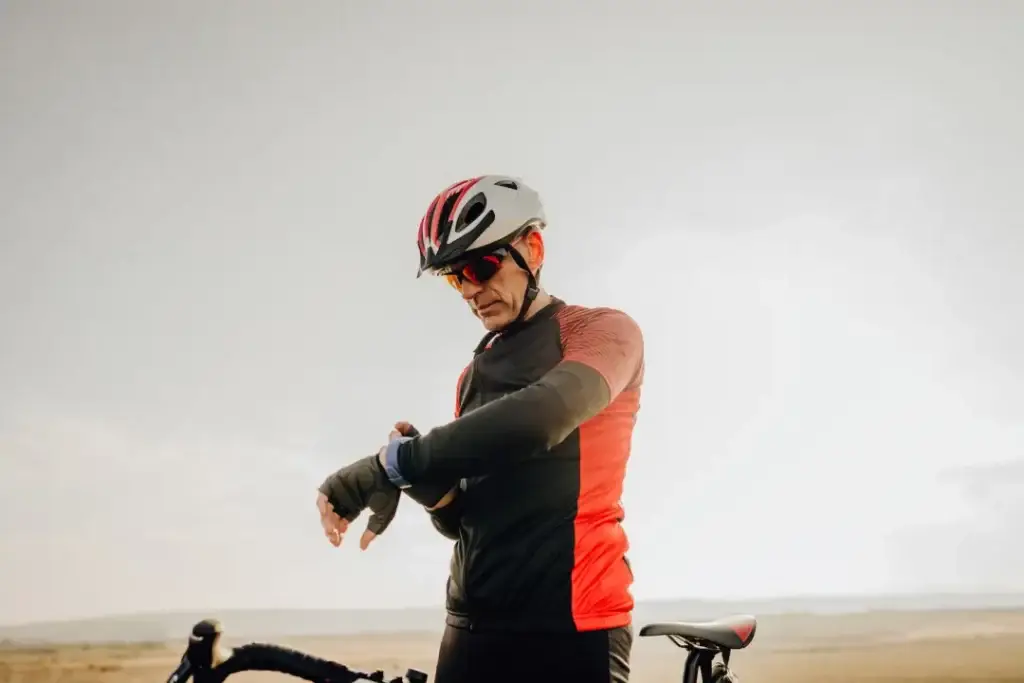
Coached By Your Data
That shift wasn’t just another gadget fad. In 2025, AI stopped being a buzzword and started acting like a translator – taking a mess of heart-rate numbers, sleep fragments, step counts, and workout logs, then turning it into a plan that normal humans can actually follow. WIRED+1
Breakthrough #1: The “coach” moved into your pocket
The most visible leap came from big consumer platforms baking conversational AI into their coaching. Fitbit, for example, rolled out an AI-powered “Personal Health Coach” that uses your continuous data to adjust guidance – the key change is that it’s not just showing charts, it’s answering questions and steering your week based on fatigue and recovery signals. WIRED+1
WHOOP pushed the same idea further in 2025 with expanded AI guidance that connects sleep, strain, stress, and broader context into more actionable recommendations. In plain English: less “here’s your HRV,” more “here’s what to do today.” WHOOP+1
Breakthrough #2: Fatigue and injury risk went from “vibes” to models
On the research side, 2025 cemented a hard truth coaches have known forever: injuries and burnout rarely come from one bad workout – they come from patterns. Sports medicine researchers have been evaluating how machine learning can (and can’t) predict injury risk, with an emphasis on the limits: messy data, changing athletes, and the danger of false certainty. British Journal of Sports Medicine+1
But the momentum is real. Wearable-driven fatigue monitoring is now a serious research lane, aiming to detect when load, sleep, and physiology are drifting into the red. ScienceDirect And at the elite level, the NFL has talked openly about using AI and huge streams of tracking data to flag heightened injury risk and manage workload more proactively. AP News
For endurance athletes (running, triathlon, cycling), that means fewer “hero days” followed by mystery fatigue. For strength and combat sports (boxing, martial arts), it’s a new way to decide when to push power and when to focus on technique – without guessing.
Breakthrough #3: Your phone camera started acting like a biomechanics lab
The sleeper trend in 2025 was markerless motion analysis – computer vision that can estimate body position from ordinary video and turn it into feedback. A systematic review of deep learning-based human pose estimation in sport shows just how quickly this field is expanding, including movement analysis and coaching applications. PMC+1
Boxing is a great example: researchers are already demonstrating ways to recognize punches using multimodal AI (wearables plus video), and even estimate punch force from pose-derived data. PLOS+1 It’s early – sometimes clunky – but the direction is obvious: more athletes will get technique cues without a full coaching staff.
Climbing is getting its own AI attention, too, including research and projects aimed at analyzing movement and standardizing difficulty signals – useful when you’re building strength intelligently instead of just “trying harder” every session. Universidad de New Hampshire+1
The practical breakthrough: “Dozens of metrics you already have” finally became usable
Here’s the part that quietly changed everything for everyday athletes: your iPhone or Android already holds a ton of performance-relevant data – steps, workouts, sleep, heart trends (often via a watch), plus manual logs like nutrition. In 2025, a new crop of apps started treating that as the foundation. One example is Nutrinaut – it plugs into Apple Health on iPhone and Health Connect on Android, pulls in a wide set of signals, and turns them into simple guidance (training focus, recovery-aware suggestions, and nutrition targets that can adapt to what your body and week look like). That “use what’s already there” approach is the real democratizer – you don’t need a lab, you need consistency. support.apple.com+2Android Developers+2
What it means in the real world
For a runner building toward Boston, this can look like a green-light day for tempo when sleep and recovery trend up – and a guilt-free swap to easy Zone 2 when they don’t. For a boxer in Brooklyn, it can mean keeping sparring when readiness is solid, but choosing skill rounds and mobility when fatigue markers stack. For rock climbers, it’s the difference between max hangs on a good day and technique-focused volume when the body’s not absorbing load.
The hype in 2025 wasn’t that AI “made athletes superhuman.” The breakthrough was more boring – and more useful: it reduced wasted training. Less guesswork. Fewer accidental overreaches. More days where you show up and do the right work.